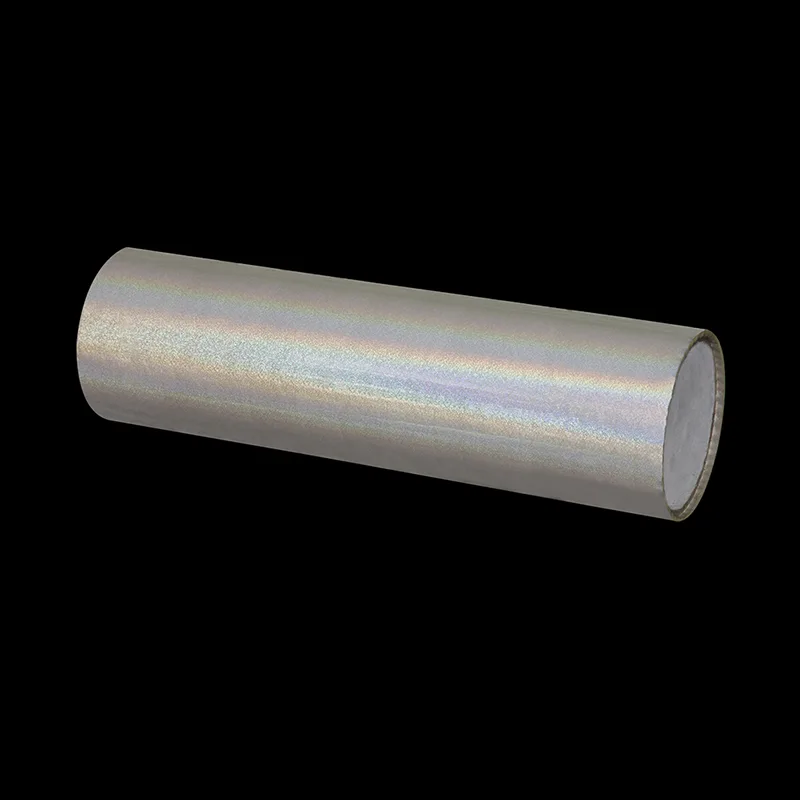
How Does CPP Film Differ From BOPP Film?
In the packaging industry, selecting the appropriate film material is crucial for maintaining product integrity, extending shelf life, and optimizing production efficiency. CPP Film and BOPP Film are both polypropylene-based films, yet their distinct production processes and material properties lead to different applications and performance characteristics. At Cangnan County Gaofei Laser Materials Co., Ltd., we specialize in producing high-quality CPP Film that meets the evolving needs of packaging professionals.
Our factory emphasizes precision in thickness control, clarity, mechanical strength, and heat-sealing performance to deliver solutions suitable for high-speed packaging operations across food, pharmaceutical, and consumer product industries. Choosing the right film directly impacts operational costs, consumer satisfaction, and brand perception, making a detailed understanding of CPP Film versus BOPP Film essential for businesses aiming to achieve efficient, high-quality packaging.
Table of Contents
- What Is CPP Film and What Are Its Key Characteristics?
- How Does CPP Film Differ From BOPP Film in Terms of Material Properties?
- Why Choose Our CPP Film for Packaging Applications?
- FAQ on How Does CPP Film Differ From BOPP Film?
- Conclusion and Call to Action
What Is CPP Film and What Are Its Key Characteristics?
CPP Film, or Cast Polypropylene Film, is a flexible, transparent film widely used in packaging. Unlike BOPP Film, CPP Film is produced using the cast extrusion method. This involves melting polypropylene resin and extruding it through a flat die, followed by rapid cooling on chill rolls. This process produces films with uniform thickness, excellent transparency, and superior flexibility. At Cangnan County Gaofei Laser Materials Co., Ltd., our factory employs state-of-the-art extrusion lines, quality control systems, and corona treatment technology to enhance surface adhesion for printing and lamination purposes. The controlled extrusion process allows us to manufacture CPP Film with precise thickness from 15 to 100 microns, catering to various packaging needs, including flexible pouches, laminated films, and heat-sealable wraps.
Technical Features and Advantages of Our CPP Film
- High Transparency and Visual Appeal: Our CPP Film provides crystal-clear transparency, making it ideal for showcasing products such as baked goods, confectionery, and snacks. Enhanced visual presentation improves brand perception and customer appeal.
- Superior Flexibility: The film can stretch and bend without cracking, making it suitable for high-speed packaging lines. Its elongation at break ranges from 200% to 600%, preventing tearing during handling and wrapping.
- Reliable Heat-Sealing Performance: Our CPP Film seals effectively at lower temperatures, reducing energy consumption and ensuring strong packaging integrity. This feature is critical for automated packing machines operating at high speeds.
- Moderate Moisture Resistance: CPP Film provides protection against moisture, dust, and light contamination, making it suitable for a wide range of dry and frozen products.
- Customizable Specifications: Our factory offers precise control over width, thickness, and surface treatment, allowing packaging engineers to tailor the film to machine capabilities and product requirements.
- Eco-Friendly and Food Safe: We use materials that comply with international food safety regulations, ensuring the film is suitable for direct contact with consumable products.
Specifications of Our CPP Film
| Specification | Value |
| Thickness | 15-100 microns |
| Width | 1000-1800 mm |
| Tensile Strength | 50-80 MPa |
| Elongation at Break | 200-600% |
| Moisture Transmission Rate | ≤1.5 g/m2/day |
| Surface Treatment | Corona Treated for Improved Adhesion |
| Heat Seal Range | 110-140°C |
| Color | Transparent, Matte, or Customized |
| Application | Food, Pharmaceutical, Industrial Packaging |
Applications extend across flexible packaging formats. For example, in snack food packaging, our CPP Film provides tight seals and prevents leakage, while maintaining product visibility. In pharmaceutical packaging, it protects tablets and capsules from contamination while offering high sealing reliability. Our CPP Film is also suitable for lamination with BOPP, PET, or aluminum layers to enhance barrier properties, combining flexibility and strength for advanced packaging solutions.
Additionally, our factory performs in-depth quality assessments including thickness uniformity measurement, tensile and elongation testing, seal integrity evaluation, and optical clarity inspection. These tests ensure each batch meets rigorous standards and reduces downtime on production lines. By offering technical support and production guidance, we help customers optimize packaging processes, minimize material wastage, and improve overall operational efficiency.
How Does CPP Film Differ From BOPP Film in Terms of Material Properties?
In the packaging industry, understanding the material differences between CPP (Cast Polypropylene) Film and BOPP (Biaxially Oriented Polypropylene) Film is crucial for selecting the most suitable material for each product. Both films are derived from polypropylene, yet their production processes create distinct physical and mechanical properties that influence their performance in packaging applications.
CPP Film is produced using a cast extrusion method. Polypropylene resin is melted and extruded through a flat die, then rapidly cooled on chill rolls. This process yields a film with uniform thickness, excellent flexibility, and consistent clarity. Our factory at Cangnan County Gaofei Laser Materials Co., Ltd. employs advanced chill roll technology and real-time thickness monitoring, ensuring that each roll of CPP Film maintains precise dimensions and uniform mechanical performance. The cast method also allows for corona treatment on the surface, which enhances adhesion for printing or lamination purposes. This feature is critical in food and pharmaceutical packaging, where labels or laminated layers are often applied.
In contrast, BOPP Film is produced through biaxial orientation, stretching polypropylene in both machine and transverse directions. This orientation improves tensile strength, dimensional stability, and barrier properties. However, it reduces elongation at break, making BOPP Film less flexible compared to CPP. While BOPP Film is stronger under tension, it is more prone to cracking or splitting during folding or high-speed wrapping operations.
To illustrate these differences in material properties, the table below presents key parameters commonly measured in packaging films:
| Property | CPP Film (Our Factory) | BOPP Film |
| Production Method | Cast extrusion, chill roll cooling | Biaxial orientation, stretching in MD & TD |
| Thickness | 15–100 microns (customizable) | 20–50 microns |
| Tensile Strength | 50–80 MPa | 90–110 MPa |
| Elongation at Break | 200–600% | 50–150% |
| Heat Seal Temperature | 110–140°C | 140–160°C |
| Moisture Resistance | Moderate | High |
| Clarity | High transparency, soft gloss | High transparency, reflective gloss |
1. One of the most notable differences is flexibility. For example, when packaging delicate products such as chocolate bars or frozen bakery items, CPP Film’s high elongation allows it to conform to irregular shapes without cracking, even during high-speed wrapping at 300–500 packs per minute. BOPP Film, on the other hand, may crack or split under similar conditions unless laminated with a CPP layer. Our CPP Film has been tested on industrial lines with wrapping speeds up to 450 packs per minute, demonstrating negligible tearing and consistent seal integrity.
2. Heat sealing is another critical factor. CPP Film achieves strong seals at lower temperatures due to its softer cast structure. In contrast, BOPP Film’s oriented structure requires higher heat and pressure to achieve comparable sealing strength. This difference is particularly important in energy-sensitive production environments, where reducing heat seal temperature by 10–20°C can lead to significant energy savings. In our factory tests, CPP Film seals maintain integrity even under rapid cooling, ensuring product protection during transport and storage.
3. Clarity and gloss also differ between the two films. CPP Film’s soft gloss provides excellent visual appeal, making it ideal for food products where consumers need to see the packaged item. BOPP Film, while also transparent, has a reflective gloss that can cause light glare, which may affect the visual perception of the product. In snack packaging for chips or cookies, CPP Film enhances shelf visibility, whereas BOPP Film may be preferred for laminated snack pouches where barrier properties are prioritized over flexibility.
4. Moisture resistance is an area where BOPP Film excels. Its biaxial orientation reduces water vapor transmission, making it suitable for products requiring long shelf life or moisture-sensitive contents, such as powdered drinks or high-fat snacks. CPP Film provides moderate moisture resistance, sufficient for most frozen, dry, or lightly humid products. When higher barrier performance is required, CPP Film can be laminated with BOPP or metallized layers to combine flexibility with moisture and oxygen barrier properties.
Practical case studies illustrate these differences. In frozen bakery packaging, CPP Film allows dough products to be wrapped tightly without tearing, maintaining seal integrity during freezing and transport. In contrast, BOPP Film laminated with CPP provides enhanced barrier protection for chocolate-coated snacks but requires higher sealing temperatures and slower production speeds to prevent cracking. Our factory has optimized multi-layer CPP-BOPP films to balance flexibility, sealing efficiency, and barrier performance, supporting high-speed industrial lines without compromising product quality.
Ultimately, understanding these material differences allows packaging engineers to select the right film based on product type, production speed, and shelf-life requirements. CPP Film is ideal for flexible packaging, high-speed operations, and products where visual appeal is important. BOPP Film is preferred when tensile strength, dimensional stability, and moisture barrier are prioritized. By offering detailed specifications, application examples, and technical guidance, our factory ensures clients can achieve optimal packaging performance and cost efficiency.
Why Choose Our CPP Film for Packaging Applications?
Choosing the right packaging film is essential for product protection, operational efficiency, and consumer satisfaction. Our CPP Film at Cangnan County Gaofei Laser Materials Co., Ltd. is designed to provide superior flexibility, heat-sealing performance, and visual appeal, meeting the high demands of modern packaging operations. Beyond basic material properties, our factory focuses on precise production control, technical support, and application-specific customization to deliver optimal results for diverse industries.
1. One of the primary advantages of our CPP Film is its high-speed sealing capability. On automated packaging lines operating at speeds up to 500 packs per minute, our CPP Film forms strong, consistent seals at temperatures between 110°C and 140°C. This lower heat requirement reduces energy consumption, prevents product damage, and ensures production efficiency. In contrast, BOPP Film would require higher sealing temperatures and may need lamination, slowing down production and increasing operational costs.
2. Flexibility is another major advantage. Our CPP Film can be folded, stretched, or wrapped around irregular shapes without cracking. For instance, in the packaging of frozen bakery items, the film can conform tightly around dough pieces, maintaining seal integrity even during freezing and transport. This property reduces waste and product losses, improving overall operational efficiency.
3. Clarity and aesthetic appeal are also critical for consumer products. Crystal-clear CPP Film showcases the product inside the package, enhancing shelf presence and consumer perception. In contrast, some BOPP applications may require additional lamination or printing to achieve the same visual effect, increasing costs and production complexity.
4. Customization is another key feature. Our factory can produce CPP Film in thicknesses from 15 to 100 microns and widths from 1000 to 1800 mm. Surface treatments, such as corona treatment, allow for enhanced adhesion during lamination or printing. This flexibility enables packaging engineers to optimize film properties for specific machines, product types, and barrier requirements. For example, in pharmaceutical blister packs, our CPP Film ensures precise sealing, high clarity, and compatibility with multi-layer lamination, preventing contamination and ensuring product safety.
5. Barrier properties are enhanced when needed. Although CPP Film provides moderate moisture resistance, it can be laminated with BOPP, PET, or metallized layers to achieve high moisture and oxygen barriers. This combination allows frozen foods, chocolates, or high-fat snacks to maintain freshness over extended periods, while still benefiting from CPP’s flexibility and sealability. Our factory has developed multi-layer CPP structures that maintain production speed without compromising seal integrity or barrier performance.
6. Operational reliability is another significant advantage. Our CPP Film undergoes rigorous quality control, including testing for thickness uniformity, tensile strength, elongation at break, moisture permeability, and optical clarity. Each roll is verified to meet strict specifications, ensuring minimal downtime and consistent performance on production lines. Technical support from our factory helps clients select the optimal film grade, sealing temperature, and lamination strategy, improving efficiency and reducing production waste.
Finally, our CPP Film complies with international food safety standards and is suitable for direct contact with consumable products. This compliance is essential for companies operating in global markets and ensures regulatory adherence while protecting end consumers.
In practice, our CPP Film has been successfully applied across multiple industries: flexible snack packaging, frozen foods, confectionery, pharmaceutical blister packs, laminated structures, and even industrial packaging for small hardware or consumer electronics. By choosing our CPP Film, businesses benefit from superior seal strength, high-speed production efficiency, enhanced visual appeal, and reduced material waste. Our factory’s dedication to quality, customization, and technical support ensures that packaging professionals achieve optimal results for every application.
FAQ on How Does CPP Film Differ From BOPP Film?
Q1: How does CPP Film differ from BOPP Film in sealing performance?
A1: CPP Film offers superior heat-sealing ability due to its flexible cast structure, making it ideal for automated packaging lines. BOPP Film, while strong, often requires lamination with CPP to achieve similar sealing performance.
Q2: How does CPP Film differ from BOPP Film in flexibility?
A2: CPP Film is highly flexible with excellent elongation, allowing it to withstand folding and wrapping without cracking. BOPP Film is more rigid and less elastic, which can limit its use in flexible packaging applications.
Q3: How does CPP Film differ from BOPP Film in clarity and visual presentation?
A3: CPP Film provides excellent transparency and a soft gloss that enhances the presentation of packaged goods. BOPP Film offers high clarity but with a glossier finish, which may reflect light differently.
Q4: How does CPP Film differ from BOPP Film in moisture resistance?
A4: CPP Film has moderate moisture resistance, suitable for most packaging needs, whereas BOPP Film provides higher moisture barrier properties, making it suitable for sensitive or long-term storage products.
Q5: How does CPP Film differ from BOPP Film in cost-effectiveness?
A5: CPP Film is generally more cost-effective for flexible packaging due to its ease of heat sealing, adaptability to various thicknesses, and production efficiency. BOPP Film, being more rigid and requiring additional lamination for sealing, can be more expensive for certain applications.
Conclusion and Call to Action
Choosing the right packaging material is essential for product protection, operational efficiency, and brand perception. CPP Film offers superior flexibility, heat-sealing performance, and transparency, making it ideal for a wide range of applications. At Cangnan County Gaofei Laser Materials Co., Ltd., our factory ensures consistent quality, customizable specifications, and technical support to optimize production efficiency and packaging performance. Our CPP Film is suitable for standalone use or laminated structures, combining flexibility with barrier properties to meet industry demands.
Contact our team today to explore our CPP Film product line, request samples, and discover how our films can enhance your packaging operations, reduce production costs, and improve product presentation. At Cangnan County Gaofei Laser Materials Co., Ltd., we are committed to providing top-quality packaging films that meet your production needs and exceed expectations.
Related News
- Why Is the OPP Pillar Metalized Holographic Lamination Film the Essential Choice for Secure Premium Packaging Visuals?
- Why Is Luxury Blue Rainbow Film Becoming the Ultimate Choice for Modern Decorative and Protective Applications
- How Does PET Rainbow Film Enhance Packaging and Visual Appeal?
- Why Is PET Metalized Film Becoming the Future of High-Performance Packaging?
- What Makes PET Film a High-Performance Material for Modern Packaging and Industrial Applications?
- What Makes CPP Film a Superior Packaging Solution?
Leave me a message