What Makes PET Film a High-Performance Material for Modern Packaging and Industrial Applications?
Table of Contents
-
What Is PET Film and Why Is It Widely Used?
-
How Does PET Film Work and What Are Its Key Advantages?
-
Why Are PET Metalized Film and PET Holographic Film Important Innovations?
-
What Are the Future Trends of PET Film in Global Markets?
What Is PET Film and Why Is It Widely Used?
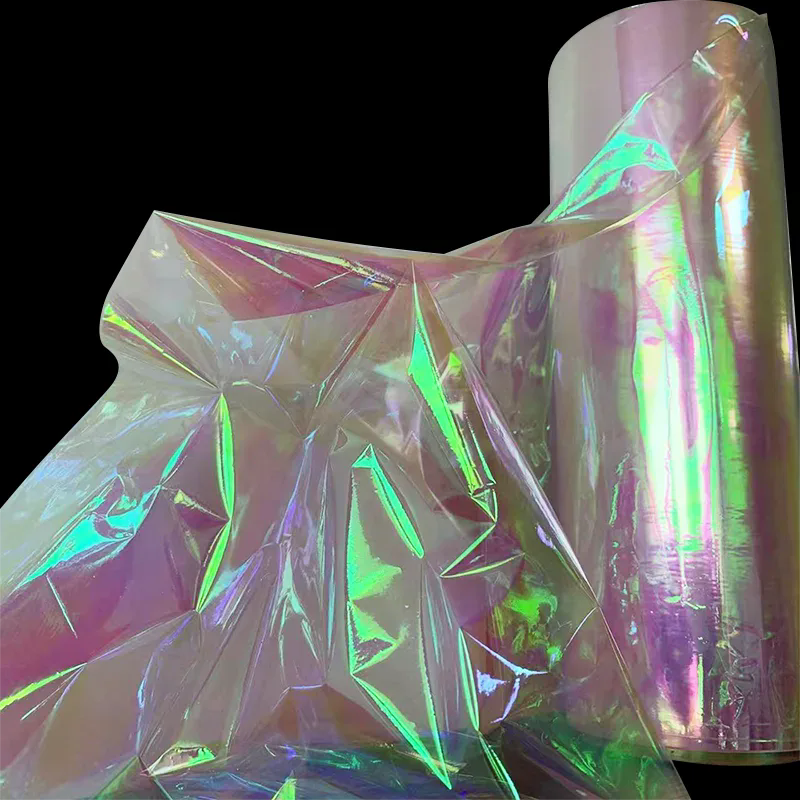
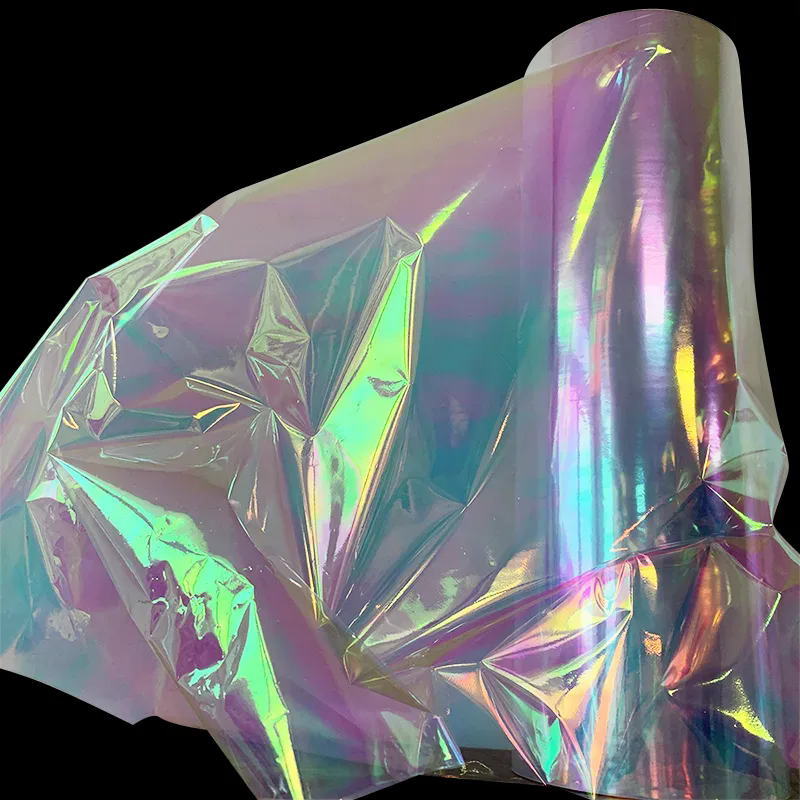
Polyethylene Terephthalate (PET) Film is a strong, transparent, and flexible plastic film that plays a crucial role in packaging, electrical insulation, printing, and industrial applications. It is known for its excellent mechanical strength, high clarity, chemical resistance, and thermal stability. The balance between performance and cost makes PET Film one of the most preferred materials for businesses seeking both durability and sustainability.
Key Properties of PET Film
PET Film is produced by biaxially orienting polyethylene terephthalate resin, giving it superior dimensional stability and tensile strength. Its unique molecular structure allows for high-performance applications in industries ranging from food packaging to electronics and labeling.
Main Product Parameters of PET Film
| Property | Description | Typical Range |
|---|---|---|
| Thickness | Available in multiple grades to suit application needs | 8 μm – 350 μm |
| Tensile Strength (MD/TD) | Measures strength in machine/cross direction | 150 – 250 MPa |
| Elongation at Break | Flexibility and stretch ratio | 80 – 130% |
| Haze | Optical clarity | < 2% |
| Surface Treatment | Corona, Chemical, or Untreated | Varies by type |
| Melting Point | Indicates thermal resistance | 250°C – 260°C |
| Shrinkage (150°C, 30 min) | Dimensional stability at heat | < 1.5% |
| Dielectric Strength | Insulation capability | 150 – 200 kV/mm |
| Water Vapor Transmission Rate (WVTR) | Barrier performance | 2.0 – 3.0 g/m²/day |
This combination of mechanical and optical properties makes PET Film ideal for flexible packaging, laminating substrates, and label protection layers.
How Does PET Film Work and What Are Its Key Advantages?
PET Film’s performance is a result of its biaxially oriented structure, which enhances tensile strength and chemical resistance. During manufacturing, the PET resin is stretched in both the machine direction (MD) and transverse direction (TD), creating a uniform crystalline alignment.
Why PET Film Stands Out
-
Thermal Stability: PET Film maintains its properties across a wide temperature range, suitable for hot-fill packaging and electrical insulation.
-
Dimensional Stability: Its low shrinkage ensures that printed graphics, laminations, and coatings remain consistent.
-
Barrier Protection: PET Film offers superior moisture, gas, and aroma barrier properties, essential for food and pharmaceutical packaging.
-
Surface Versatility: Available with different coatings (e.g., anti-fog, anti-static, matte, or glossy) to meet diverse industrial requirements.
-
Eco-Friendliness: 100% recyclable, making it compatible with sustainability goals across global packaging industries.
Common Applications of PET Film
-
Packaging Film: For snacks, frozen foods, beverages, and pharmaceuticals.
-
Electrical Insulation: Used in capacitors, flexible circuits, and insulation tapes.
-
Graphics & Printing: High-quality printing surface for advertising materials.
-
Industrial Use: Release liners, solar back sheets, and optical films.
Why Are PET Metalized Film and PET Holographic Film Important Innovations?
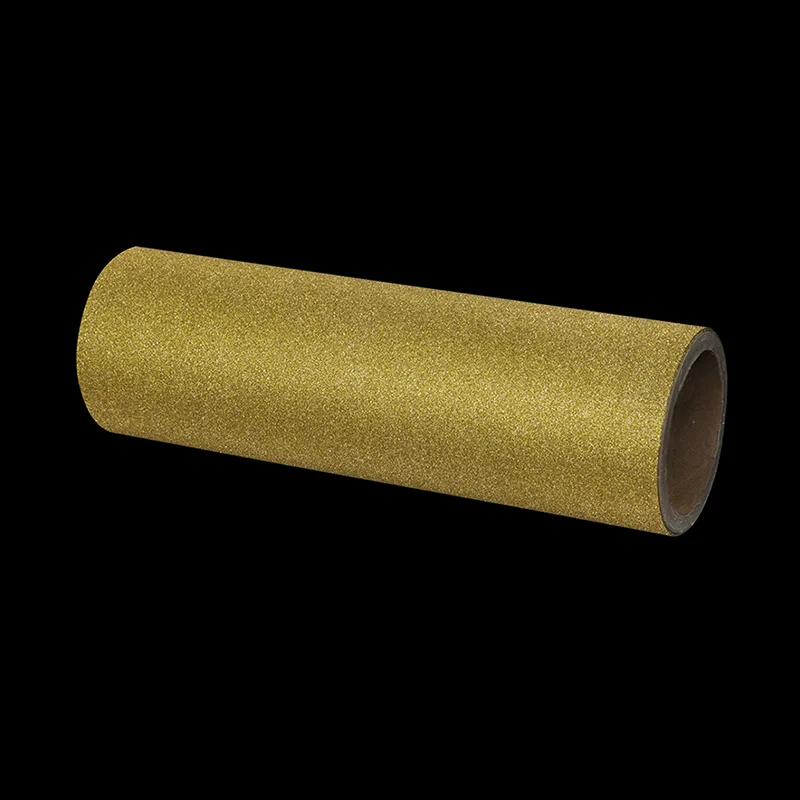
The evolution of PET Film technology has led to the development of specialized variants such as PET Metalized Film and PET Holographic Film, which offer enhanced performance and unique visual appeal.
PET Metalized Film: Combining Functionality and Aesthetic Appeal
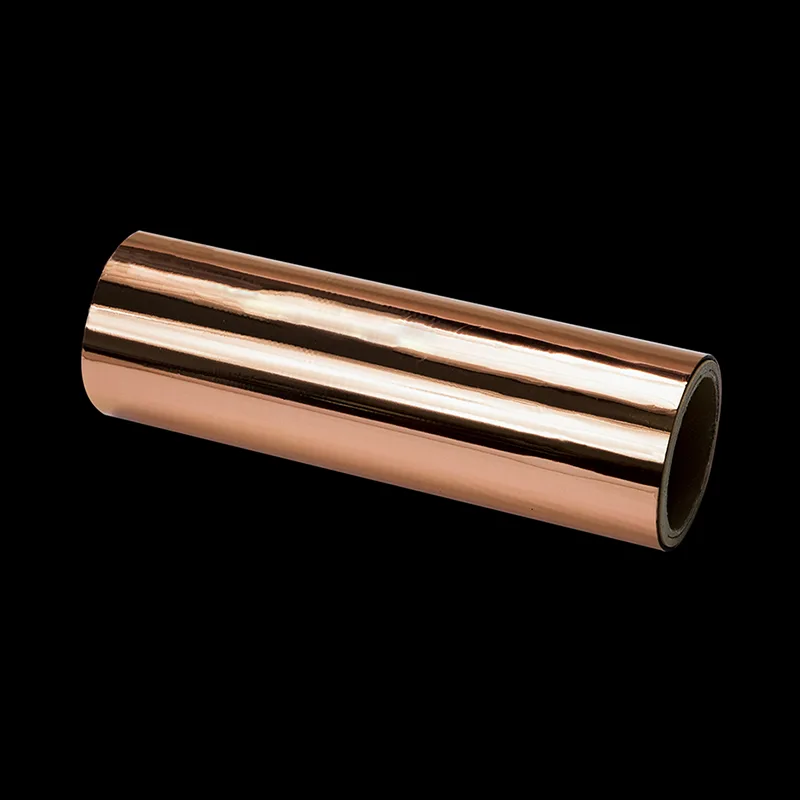
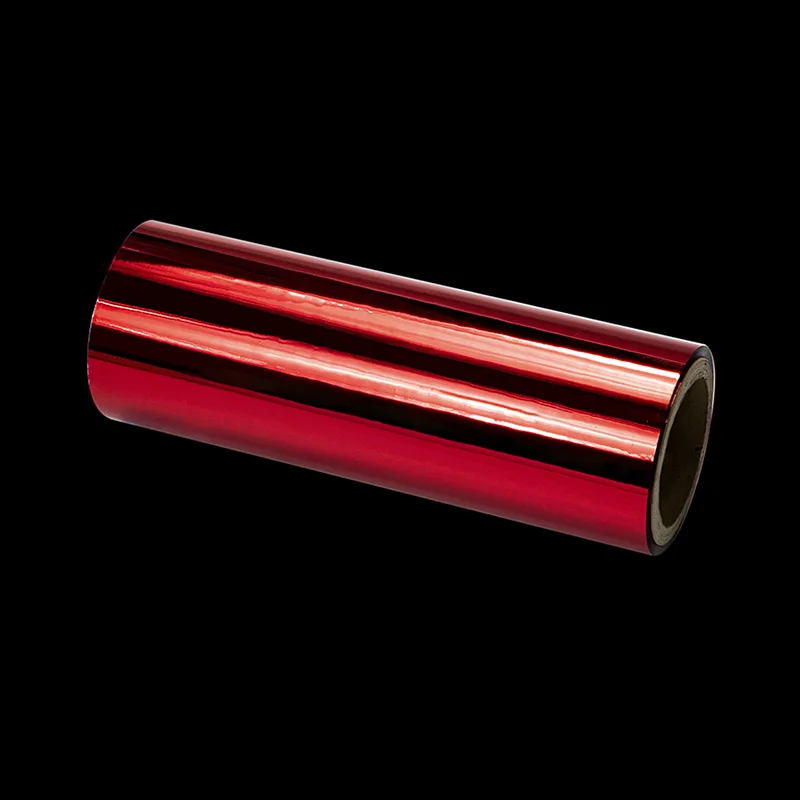
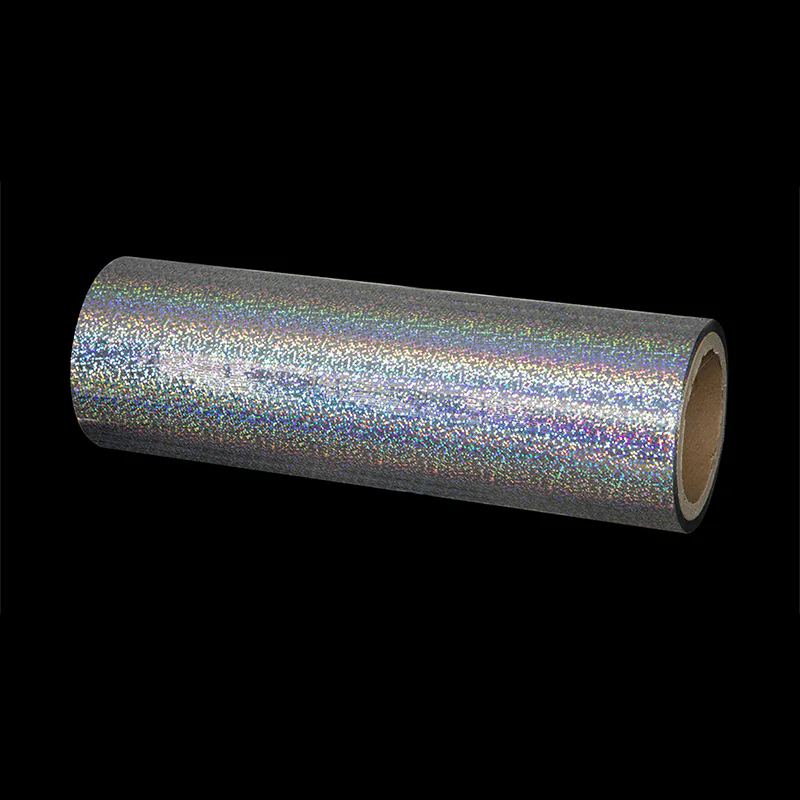
PET Metalized Film is produced by coating a thin layer of metal, usually aluminum, onto the surface of PET Film through a vacuum metallization process. This treatment enhances the film’s barrier and reflective properties, making it ideal for high-end packaging and insulation applications.
Key Features of PET Metalized Film
| Property | Description |
|---|---|
| Metal Type | Aluminum (standard) |
| Thickness Range | 8 μm – 50 μm |
| Optical Density (OD) | 1.8 – 3.2 (customizable) |
| Reflectivity | Up to 98% |
| Barrier Properties | Excellent oxygen and moisture resistance |
| Applications | Snack packaging, gift wraps, insulation materials, decorative uses |
Advantages:
-
Strong oxygen and moisture barrier for product freshness.
-
High metallic gloss for luxury appearance in packaging.
-
Excellent UV protection and thermal reflectivity for insulation.
-
Cost-effective alternative to aluminum foil with improved flexibility.
PET Holographic Film: Merging Technology with Design
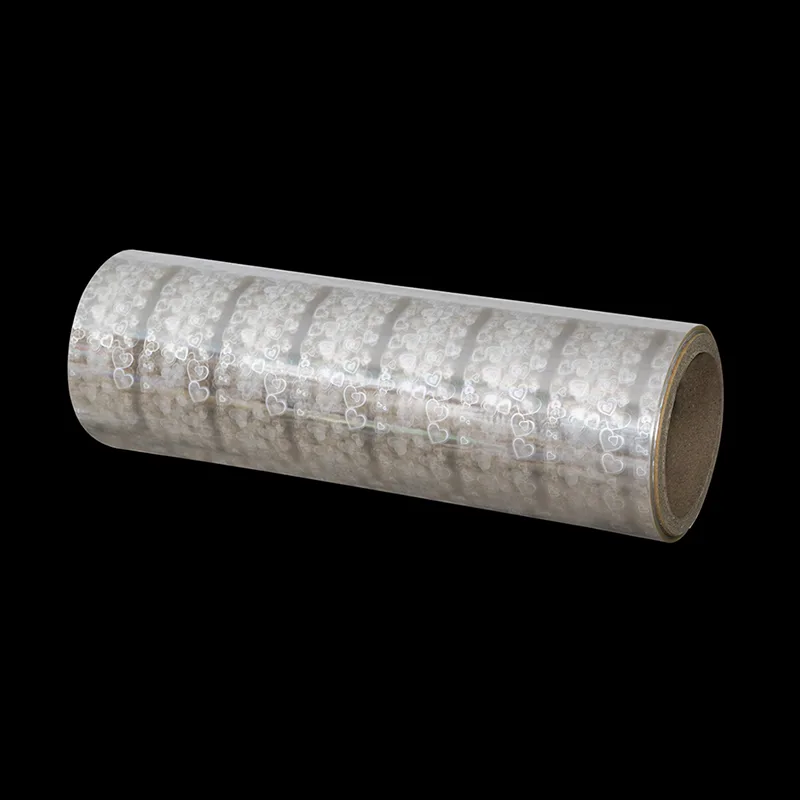
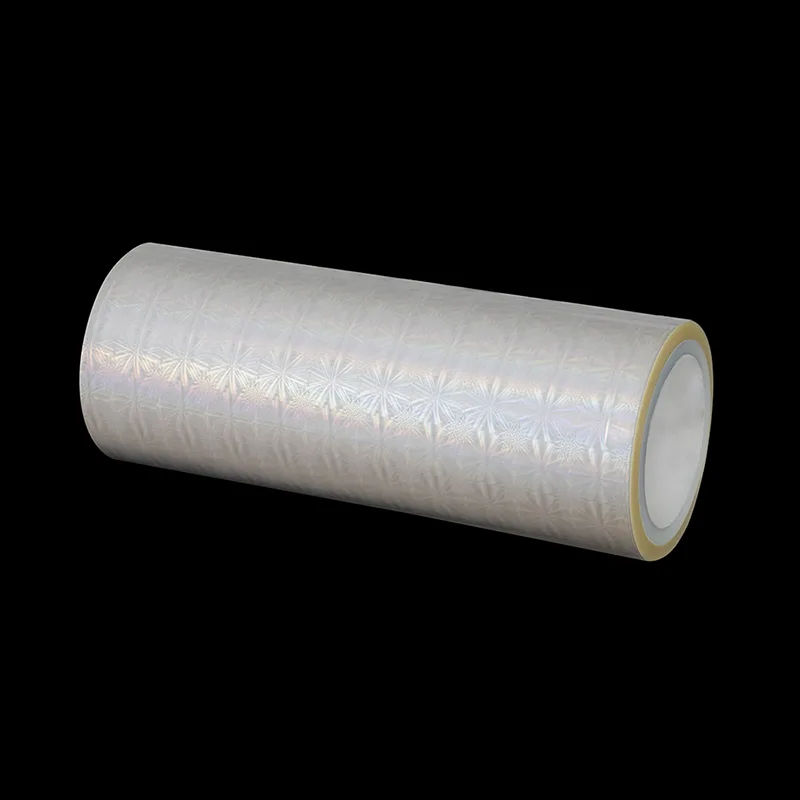
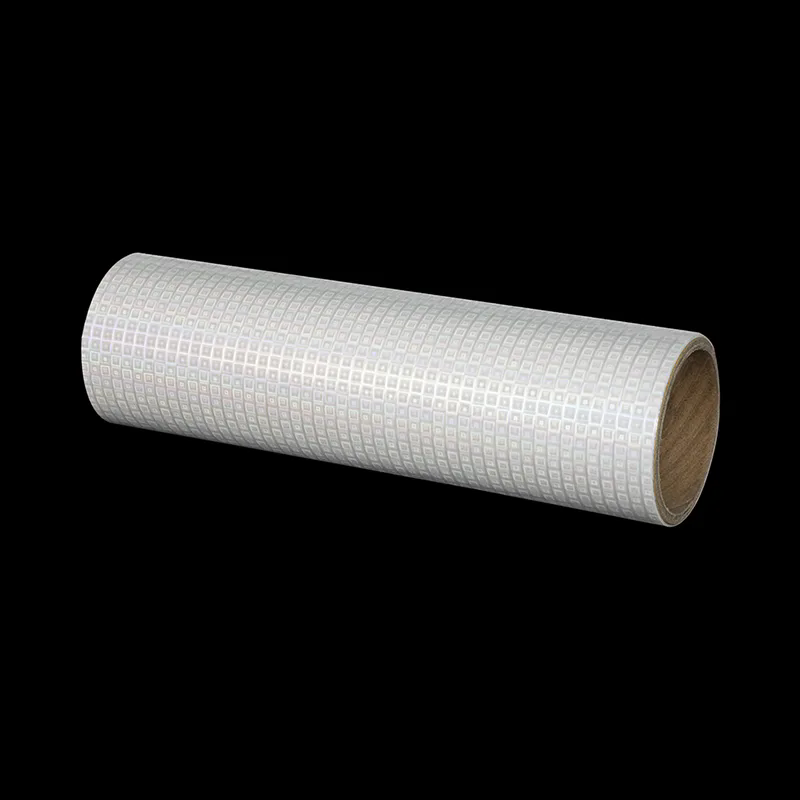
PET Holographic Film incorporates advanced embossing and light diffraction techniques to create visually striking rainbow or 3D patterns. This film is not just decorative—it also provides brand security and anti-counterfeit protection, widely used in cosmetics, gift packaging, and labels.
Key Features of PET Holographic Film
| Property | Description |
|---|---|
| Thickness | 12 μm – 50 μm |
| Surface Finish | Glossy, Matte, Transparent |
| Pattern Types | Rainbow, Dot Matrix, Custom 3D designs |
| Transmission Rate | 80 – 90% (transparent version) |
| Applications | Labels, Gift wraps, Security seals, Decorative films |
Advantages:
-
High visual impact for premium brand packaging.
-
Tamper-evident and anti-counterfeiting security features.
-
Customizable patterns and colors for branding flexibility.
-
Environmentally friendly and recyclable.
Together, PET Metalized Film and PET Holographic Film elevate traditional PET Film performance by adding barrier protection, reflectivity, and design innovation, making them indispensable in luxury packaging, electronics, and decorative applications.
What Are the Future Trends of PET Film in Global Markets?
The demand for PET Film is rapidly growing due to its combination of sustainability, recyclability, and adaptability. As industries continue to shift toward eco-friendly and energy-efficient materials, PET Film will play a critical role in next-generation applications.
Key Trends Shaping the Future of PET Film
-
Sustainability and Recycling: Manufacturers are developing PET Films using post-consumer recycled (PCR) materials to support circular economy initiatives.
-
High-Barrier Coatings: Advanced coatings enhance PET Film’s ability to block gases and UV light, extending shelf life in food packaging.
-
Digital Printing Compatibility: PET Film is being optimized for high-resolution digital and inkjet printing.
-
Smart Packaging Integration: Emerging technologies allow PET Film to incorporate sensors and QR codes for traceability and authenticity verification.
-
Thin-Film Innovation: Thinner PET Films are being engineered to reduce raw material use while maintaining performance.
These developments make PET Film an essential component in sectors such as electronics, renewable energy, automotive, and healthcare.
Frequently Asked Questions (FAQ)
Q1: What is the difference between PET Film and BOPP Film?
A: PET Film offers better thermal resistance, tensile strength, and clarity than BOPP Film, making it ideal for applications requiring heat resistance and dimensional stability.
Q2: Why is PET Film preferred for lamination and printing?
A: PET Film’s smooth surface and high gloss allow excellent ink adhesion and lamination strength, ensuring long-lasting color vibrancy and protection.
Q3: How should PET Film be stored to maintain its quality?
A: PET Film should be stored in a cool, dry place away from direct sunlight and high humidity. Proper storage prevents curling, yellowing, and surface oxidation.
PET Film remains one of the most versatile and high-performance plastic films available today. From its robust structure and superior barrier properties to its specialized variants like PET Metalized Film and PET Holographic Film, this material continues to redefine global standards for packaging and industrial efficiency.
With continuous innovation and a growing emphasis on sustainable materials, PET Film is set to play a leading role in the future of packaging and functional film technologies. For reliable quality and professional-grade PET Film solutions, GAOFEI provides a comprehensive range of products designed to meet the highest industry standards.
Contact us today to learn more about our PET Film solutions and discover how GAOFEI can support your business with advanced, eco-efficient film materials tailored to your application needs.
Related News
- Why Is the OPP Pillar Metalized Holographic Lamination Film the Essential Choice for Secure Premium Packaging Visuals?
- Why Is Luxury Blue Rainbow Film Becoming the Ultimate Choice for Modern Decorative and Protective Applications
- How Does CPP Film Differ From BOPP Film?
- How Does PET Rainbow Film Enhance Packaging and Visual Appeal?
- Why Is PET Metalized Film Becoming the Future of High-Performance Packaging?
- What Makes CPP Film a Superior Packaging Solution?
Leave me a message