Why Is PET Metalized Film Becoming the Future of High-Performance Packaging?
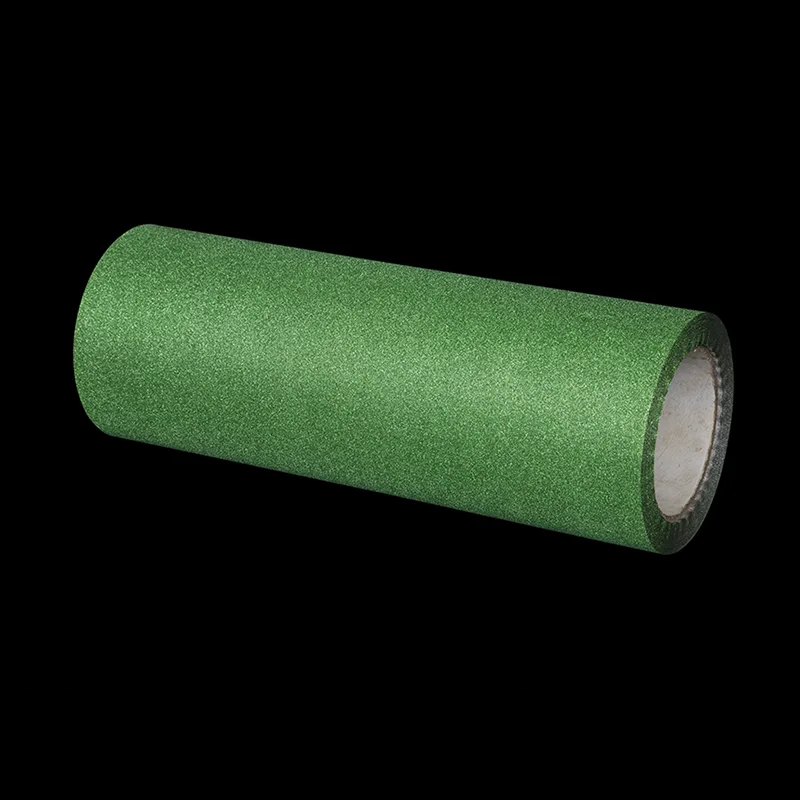
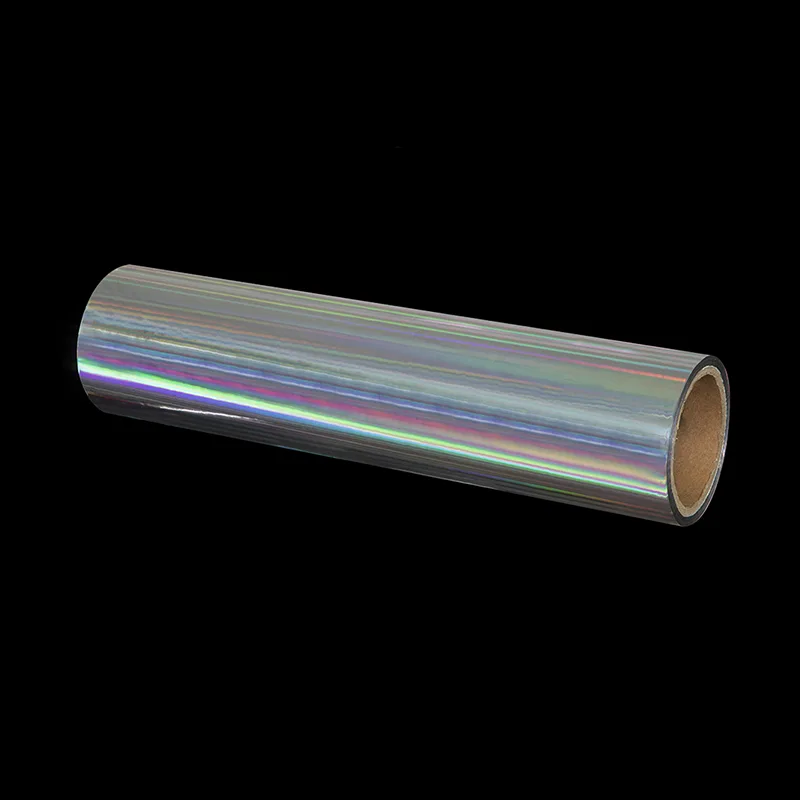
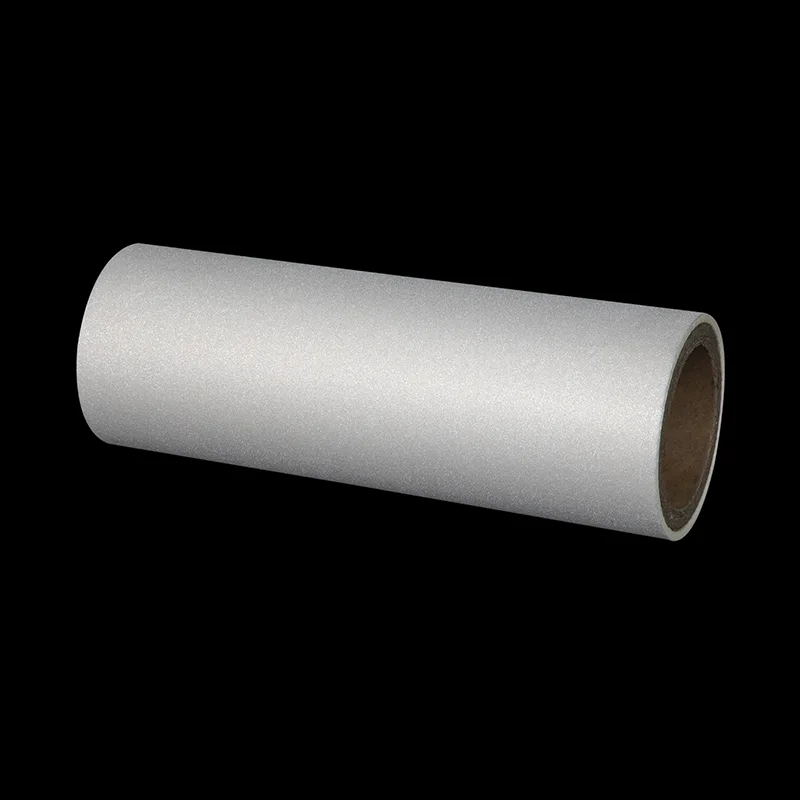
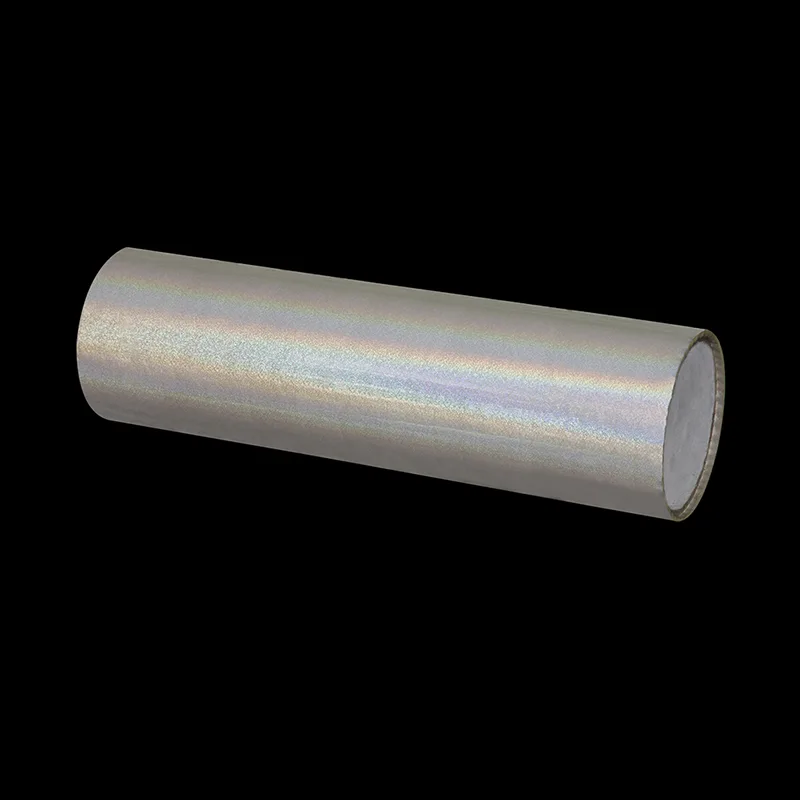
PET metalized film is a polyester-based film coated with an ultra-thin layer of vacuum-deposited aluminum, designed to deliver superior barrier performance, dimensional stability, and visual appeal. In global packaging, insulation, labeling, and industrial applications, this material is increasingly recognized for combining lightweight efficiency with high protective capability.
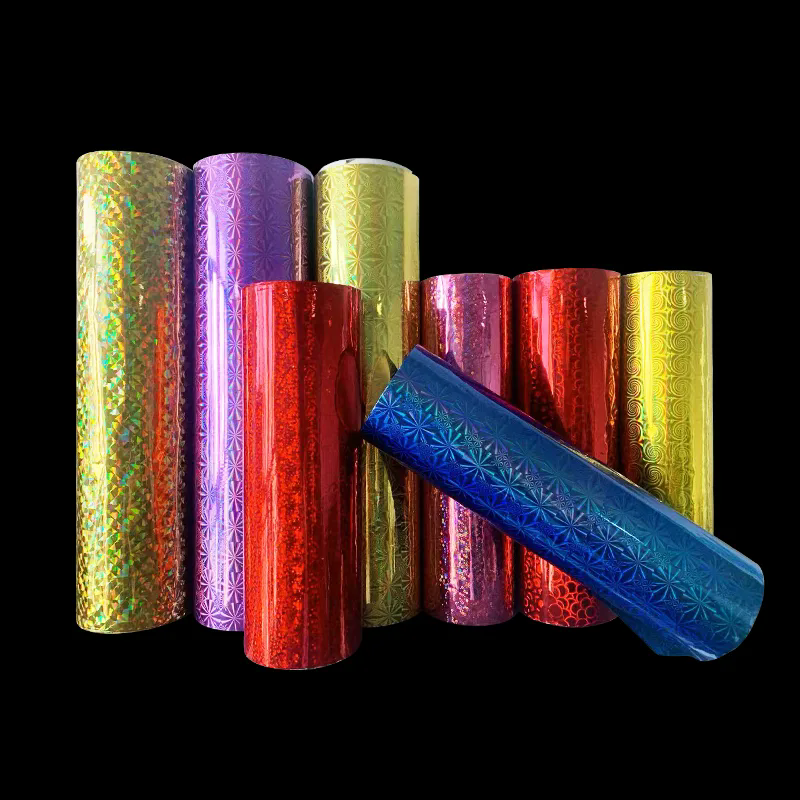
What Defines PET Metalized Film and What Key Parameters Shape Its Performance?
PET metalized film is engineered through a vacuum metallization process where aluminum is deposited uniformly onto PET substrate. This structure enhances the film’s barrier ability against oxygen, moisture, and light, while maintaining PET’s natural tensile strength and clarity. Performance is determined by several measurable parameters that influence suitability for packaging, electronics, energy-saving materials, and industrial lamination.
Key Technical Parameters of PET Metalized Film
| Parameter Category | Specification Range | Description |
|---|---|---|
| Thickness | 8–75 μm | Determines stiffness, barrier strength, and formability. |
| Aluminum Layer Thickness | 200–500 Å (Angstrom) | Controls reflectivity, barrier efficiency, and opacity. |
| Optical Density (OD) | 1.8–3.2 | Higher OD indicates stronger barrier to light and moisture. |
| Tensile Strength | MD ≥ 160 MPa / TD ≥ 200 MPa | Ensures mechanical durability under stretching or tension. |
| Heat Shrinkage (150°C, 30 min) | ≤ 1.5% | Reflects dimensional stability in high-temperature environments. |
| Surface Tension | ≥ 42 dynes | Improves ink adhesion and printability. |
| WVTR (Water Vapor Transmission Rate) | < 2 g/m²/day | Indicates moisture barrier capability. |
| OTR (Oxygen Transmission Rate) | < 3 cc/m²/day | Represents oxygen barrier performance. |
| Reflectivity | 80–90% | Ensures light blocking and insulation effects. |
These specifications allow PET metalized film to perform consistently in high-demand industries where protection, durability, and appearance are equally important.
Why Do Industries Prefer PET Metalized Film? Key Advantages and Functional Strengths
Understanding why PET metalized film is widely adopted requires exploring its functional strengths. Its rising popularity across global markets is driven by efficiency, sustainability, and versatility.
1. Superior Barrier Protection
PET metalized film provides advanced protection against oxygen, moisture, aroma loss, UV light, and contaminants. This makes it ideal for food packaging, pharmaceuticals, and personal care products.
Key benefits include:
-
Longer shelf life for packaged goods
-
Reduced oxidation and product degradation
-
Improved aroma retention and freshness preservation
-
Stable performance under different temperatures
2. Outstanding Mechanical Strength
PET base film inherently offers excellent tensile strength, puncture resistance, and dimensional stability. Metallization enhances durability, enabling safe transportation, lamination, and processing without material deformation.
3. High Aesthetic Value
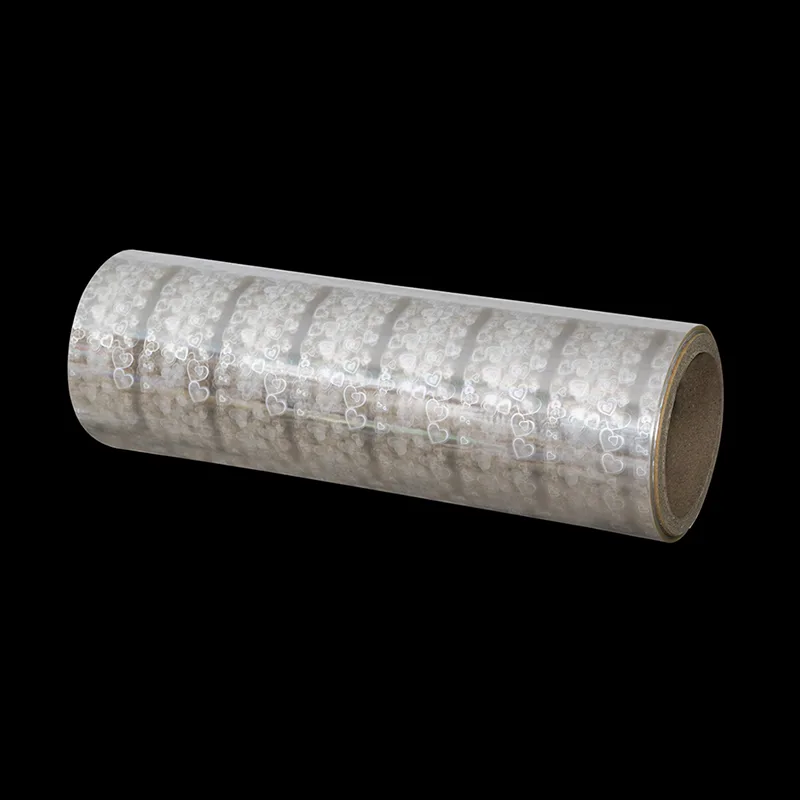
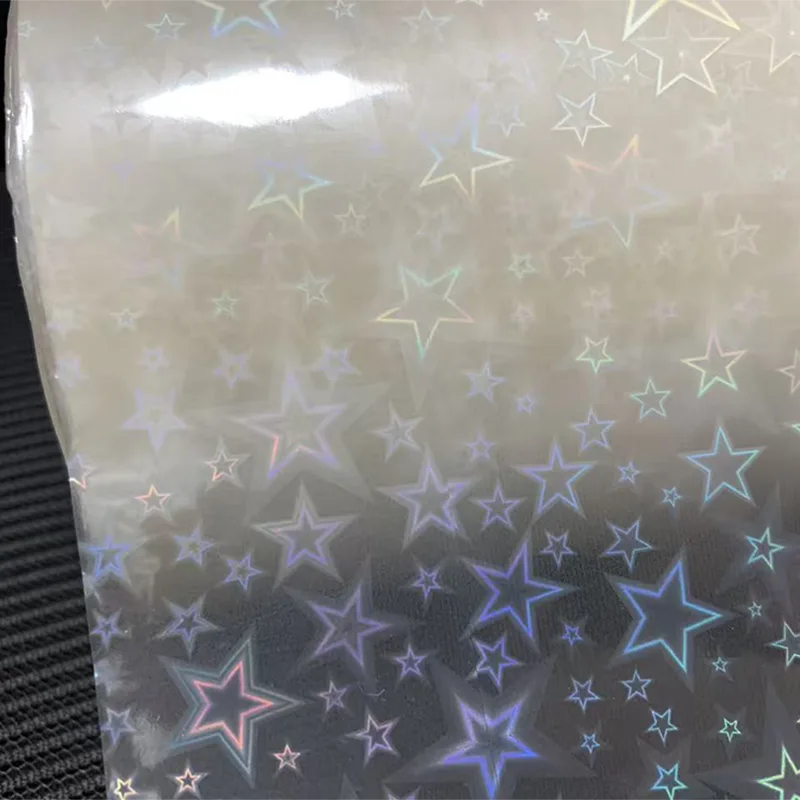
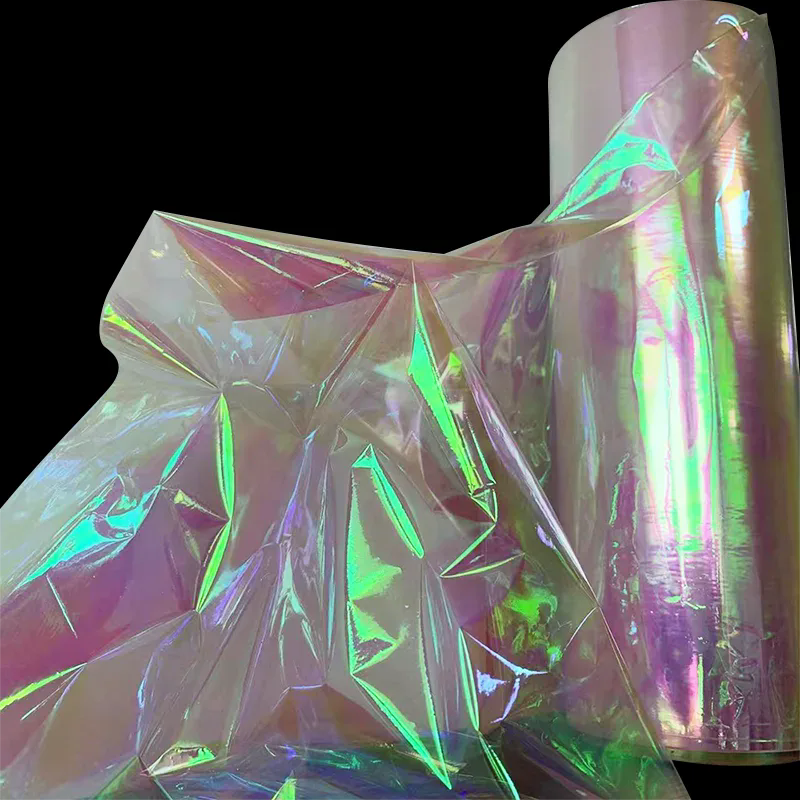
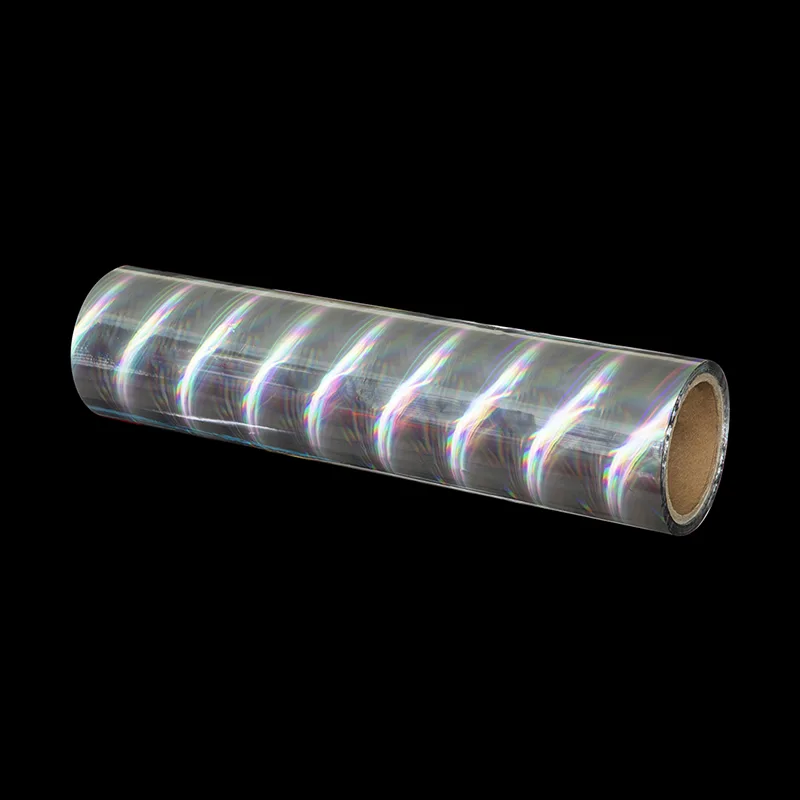
The metallic gloss appearance improves product visibility on shelves and enhances brand presence. It supports high-resolution printing, holographic finishing, and lamination with paper, plastic, or board.
4. Energy Saving and Insulation Properties
The reflective aluminum layer offers high heat insulation, making the material suitable for:
-
Thermal insulation wraps
-
Emergency blankets
-
Building insulation layers
-
Heat-reflective decorative materials
5. Lightweight and Eco-Efficient
Compared with fully metallic foils, PET metalized film uses significantly less aluminum, reducing weight and supporting material-saving strategies. Many industries adopt it to help meet sustainable packaging goals.
6. Cost-Effective Replacement for Aluminum Foil
While aluminum foil provides excellent barrier performance, PET metalized film offers similar advantages at a lower cost and with improved flexibility and mechanical strength. This makes it a preferred alternative in flexible packaging.
How Is PET Metalized Film Used Across Industries? Applications and Functional Roles
PET metalized film has evolved from a simple packaging material into a multifunctional industrial solution. Its versatility enables usage in several sectors.
1. Food & Beverage Packaging
Used for snacks, coffee, tea, spices, dry goods, instant foods, and dairy products.
Functions include:
-
Moisture protection
-
Aroma retention
-
UV-blocking
-
Extended shelf life
2. Pharmaceutical and Healthcare Packaging
Its oxygen barrier prevents product degradation, making it suitable for:
-
Blister packs
-
Pouches
-
Protective seals
3. Industrial Laminations
PET metalized film supports adhesion and bonding with paper, PE, BOPP, and woven fabrics.
Applications involve:
-
Laminated bags
-
Carton reinforcement
-
Industrial wrapping
4. Insulation and Energy Applications
Reflective and thermal properties enable usage in:
-
Heat insulation blankets
-
Building reflective layers
-
Emergency rescue sheets
5. Labeling, Printing & Decorative Uses
PET metalized film enhances brand presentation through metallic gloss and high-quality printability.
6. Electronics & Automotive Applications
PET metalized film is used in:
-
Capacitors
-
Reflective heat shields
-
EMI shielding materials
-
Battery insulation layers
Its stability under stress and heat makes it reliable for precision components.
What Future Trends Will Shape the Development of PET Metalized Film?
As global industries evolve toward sustainability and high-performance materials, PET metalized film is expected to undergo innovation in several directions.
1. Eco-Friendly and Recyclable Structures
Sustainable packaging mandates are pushing manufacturers to focus on mono-material solutions. Future PET metalized films may contain:
-
Enhanced recyclability
-
Lower environmental impact
-
Reduced aluminum usage
-
Water-based coating systems
2. Higher Barrier Performance Through Nanotechnology
Advances in nanocoatings and plasma-enhanced metallization will further strengthen oxygen and moisture barriers beyond current OD levels.
3. Smart Packaging Integration
PET metalized film is increasingly used for:
-
QR-coded packaging
-
Traceability markers
-
Smart freshness indicators
Its structural integrity supports digital overlays.
4. Increased Use in Renewable Energy and Insulation
Solar energy, thermal insulation, and battery innovation will accelerate the demand for reflective and durable metallized films.
5. Advanced Optical Properties
Micro-embossed, holographic, and security patterns will expand across luxury packaging, brand protection, and anti-counterfeiting.
6. Growth in Flexible Electronics
Flexible circuits and wearable devices demand stable, thin, light-reflective materials—making PET metalized film a reliable option.
Frequently Asked Questions (FAQs)
1. What makes PET metalized film different from aluminum foil?
PET metalized film uses a very thin layer of aluminum, while aluminum foil is a solid metal sheet. PET metalized film offers better flexibility, lower cost, higher tensile strength, and easier lamination. Aluminum foil provides an absolute barrier, but PET metalized film is better for lightweight, flexible packaging and applications requiring high tensile stability.
2. How should PET metalized film be stored to maintain its quality?
It should be stored in a clean, dry, and temperature-controlled environment away from direct sunlight. Ideal conditions include low humidity and temperatures under 30°C. Rolls should remain upright and sealed until use to prevent moisture absorption and dust contamination.
How GAOFEI Supports High-Performance PET Metalized Film Solutions?
PET metalized film continues to redefine global packaging and industrial standards due to its superior barrier efficiency, mechanical strength, thermal insulation, and flexible applications. With sustainability, recyclable solutions, and advanced metallization technology shaping future demand, industries require high-quality materials backed by consistent manufacturing and reliable technical standards.
GAOFEI provides customized PET metalized film engineered for packaging, insulation, lamination, decoration, and industrial performance. With stable specifications, strong quality control, and tailored production capability, GAOFEI supports global businesses seeking high-barrier, visually appealing, and cost-efficient film solutions.
For inquiries, specifications, or custom orders, contact us to receive professional guidance and reliable product support.
Related News
- Why Is the OPP Pillar Metalized Holographic Lamination Film the Essential Choice for Secure Premium Packaging Visuals?
- Why Is Luxury Blue Rainbow Film Becoming the Ultimate Choice for Modern Decorative and Protective Applications
- How Does CPP Film Differ From BOPP Film?
- How Does PET Rainbow Film Enhance Packaging and Visual Appeal?
- What Makes PET Film a High-Performance Material for Modern Packaging and Industrial Applications?
- What Makes CPP Film a Superior Packaging Solution?
Leave me a message