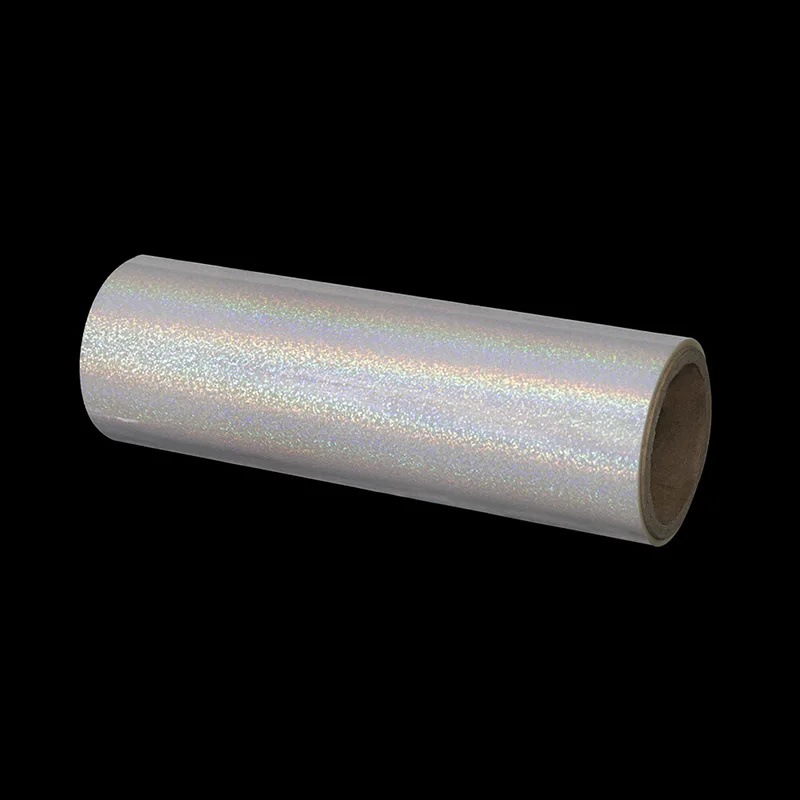
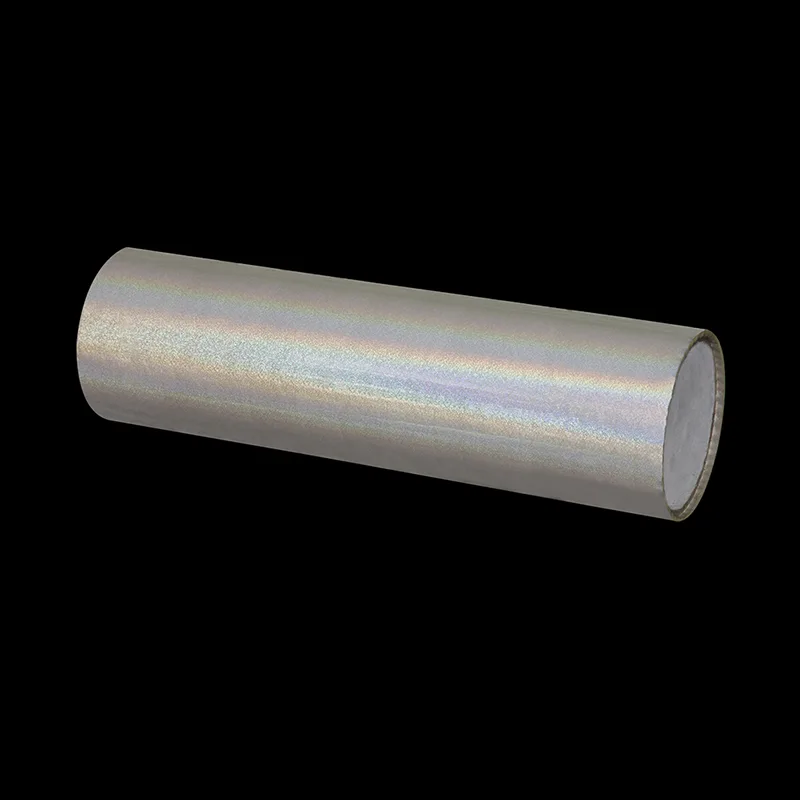
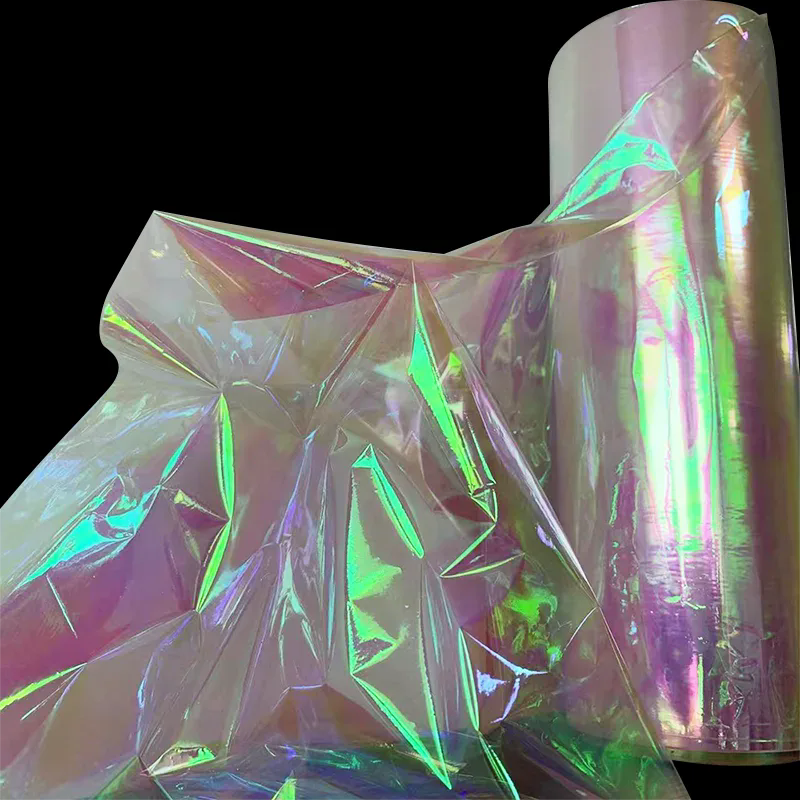
What Are the Precautions for Using PET Film?
GAOFEI is a factory specializing in the production of various PET films. Today, we'd like to share some precautions for using this type of film.
1. Strict control of the storage environment is necessary.
PET film should be stored in a dry, well-ventilated indoor environment, avoiding direct sunlight and humid conditions. Moisture will cause the film to absorb moisture, easily leading to bubbles and delamination during subsequent processing. High temperatures or direct sunlight may cause the film to deform and age, affecting its physical properties. Also, avoid stacking too high during storage to prevent wrinkles in the bottom layer due to pressure. The recommended stacking height is no more than 1.5 meters, and it should be kept away from organic solvents, acids, alkalis, and other corrosive substances to avoid chemical corrosion.
2. Pay attention to temperature and operating procedures during processing.
Although this type of film has good temperature resistance, the processing temperature must be controlled within a reasonable range. If the temperature is too high, the film may melt or scorch, compromising its seal; if the temperature is too low, the heat seal will not be secure. 3. Use a specialized cutting tool to ensure a clean cut and avoid tearing or rough edges caused by insufficient tool sharpness, which can affect subsequent lamination or packaging.
4. Use Scenarios Must Match Film Characteristics
Different types of PET film have different functions. For example, high-temperature resistant PET film is suitable for insulating electronic components, while ordinary PET film cannot be used in high-temperature environments (prolonged use above 120℃ is prone to deformation). When using the film, pay attention to its tensile strength to avoid exceeding its load-bearing capacity. When packaging heavy items, assess the film's tear resistance and, if necessary, use multiple films or choose a thicker product to prevent film breakage and damage to the items.
5. Waste Disposal Must Comply with Environmental Requirements
PET film is a recyclable plastic. After disposal, it should be sorted and placed in recyclable waste bins to avoid indiscriminate dumping and environmental pollution. Do not incinerate it with household waste, as combustion may produce harmful gases that endanger human health and the atmospheric environment.
That concludes today's sharing. Welcome to contact our factory - GAOFEI, and feel free to visit our factory!
Related News
- Why Is the OPP Pillar Metalized Holographic Lamination Film the Essential Choice for Secure Premium Packaging Visuals?
- Why Is Luxury Blue Rainbow Film Becoming the Ultimate Choice for Modern Decorative and Protective Applications
- How Does CPP Film Differ From BOPP Film?
- How Does PET Rainbow Film Enhance Packaging and Visual Appeal?
- Why Is PET Metalized Film Becoming the Future of High-Performance Packaging?
- What Makes PET Film a High-Performance Material for Modern Packaging and Industrial Applications?
Leave me a message